
COMANCO Completes Large-Scale Fuel Containment System at Oklahoma Power Plant
Fuel containment is a critical component of power plant infrastructure. Facilities that store and transfer large volumes of fuel operate under constant risk of leaks, spills, and system failures. Even a minor release can lead to soil contamination, groundwater impacts, regulatory violations, and costly downtime.
In high-risk environments such as active power plants, containment systems must perform reliably under continuous operation. This requires proper material selection, precise installation, and strict quality control. When any part of the system is compromised, the consequences can extend far beyond the immediate area.
Risk Factors in Active Power Plant Construction
Fuel containment systems are exposed to a range of stress points during both construction and operation. Pipe penetrations, seams, and anchoring systems are often the most vulnerable areas. Improper welding, inadequate sealing, or inconsistent anchoring can lead to long-term performance issues.
These risks increase when multiple contractors are working in the same area. New construction projects often involve simultaneous operations, including tank installation, piping, electrical work, and civil activities. Without proper coordination, installation quality and site safety can be affected.
Environmental conditions also play a role. Wind can impact liner deployment and welding consistency, while cooler temperatures can affect material handling and fusion performance. These factors require experienced crews who understand how to adjust installation practices in the field.
Constructing Reliable Containment Systems
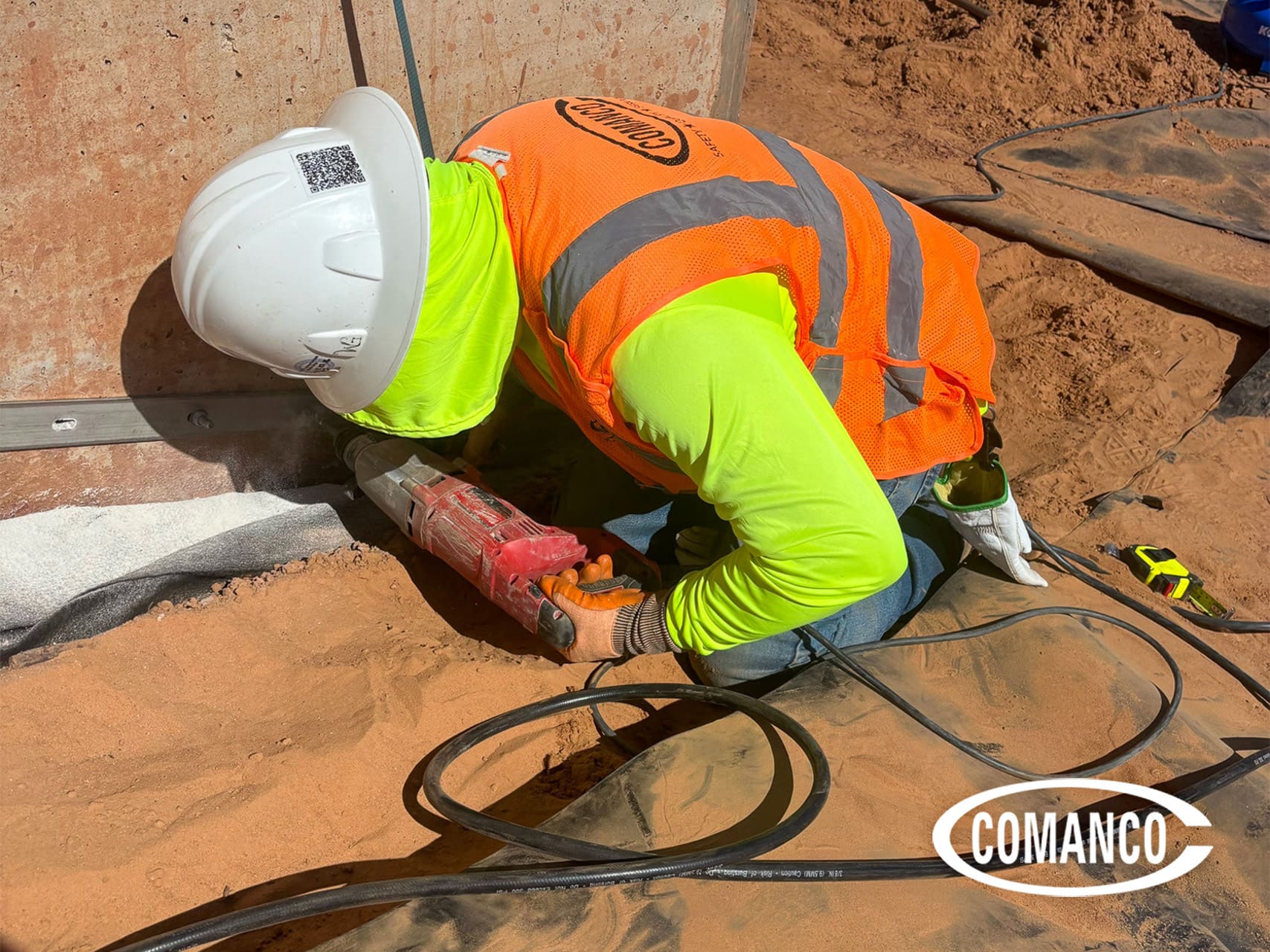
Successful containment systems depend on disciplined execution and attention to detail. This starts with careful subgrade preparation to provide a stable foundation that supports long-term liner performance.
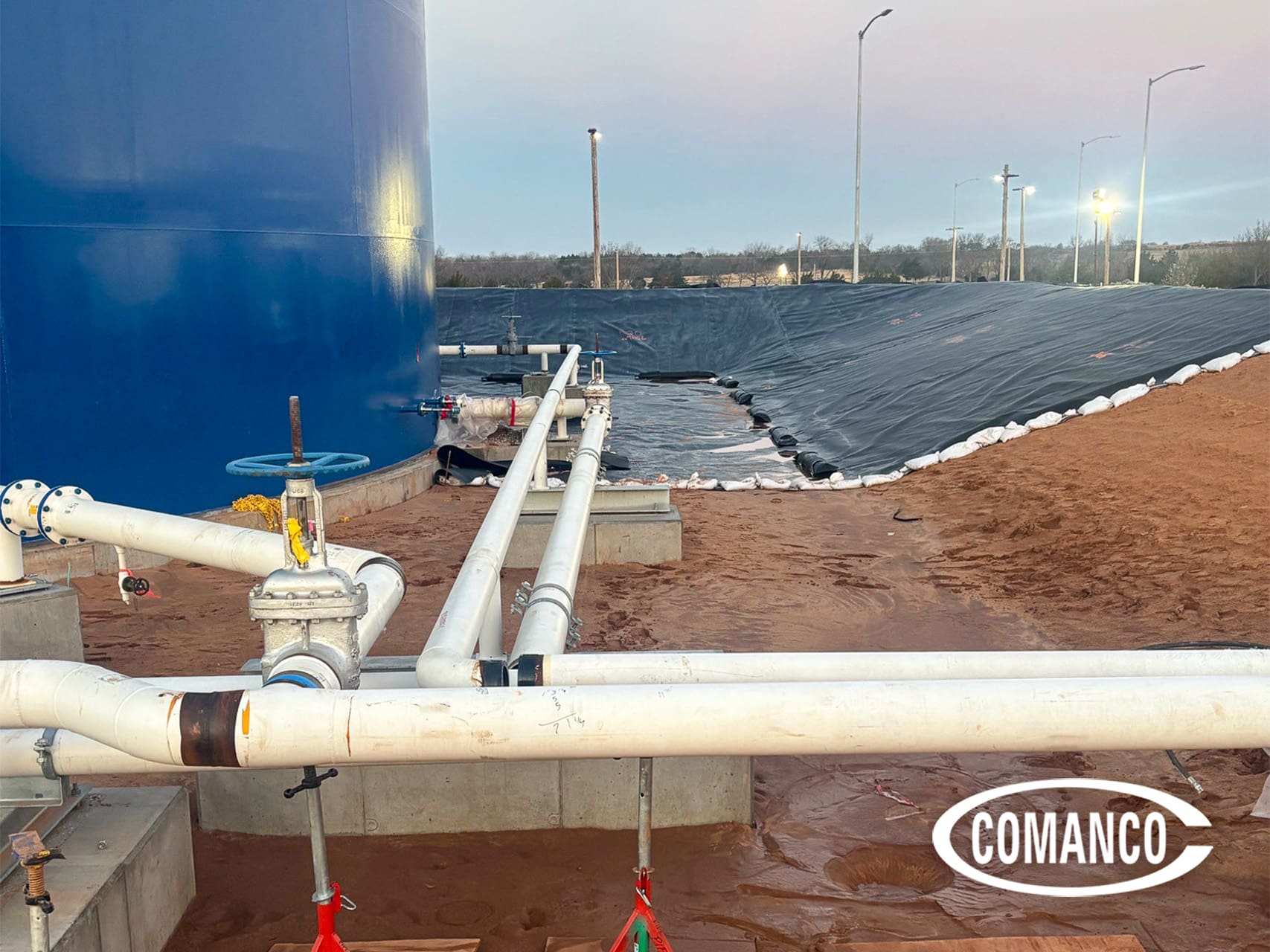
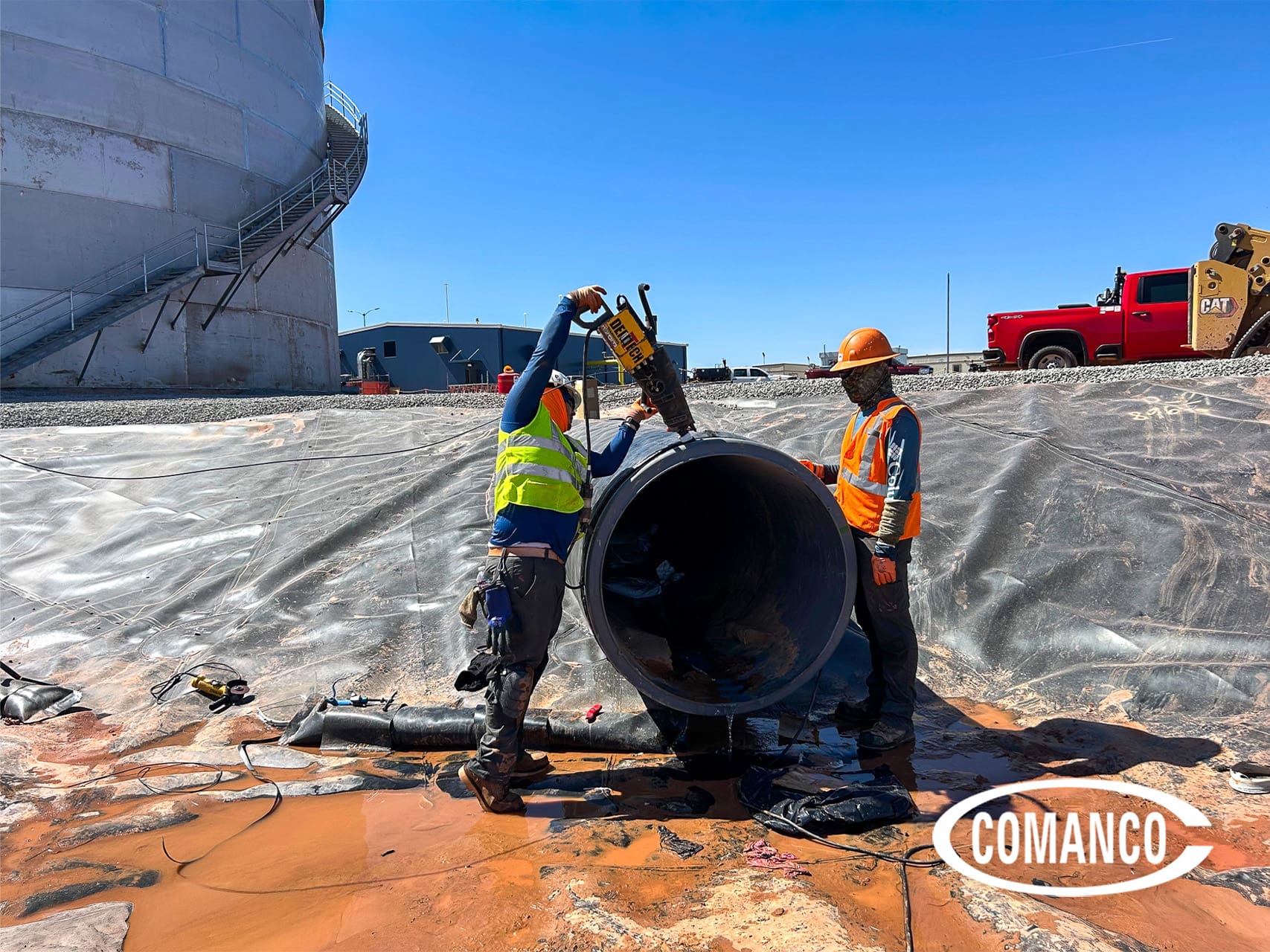
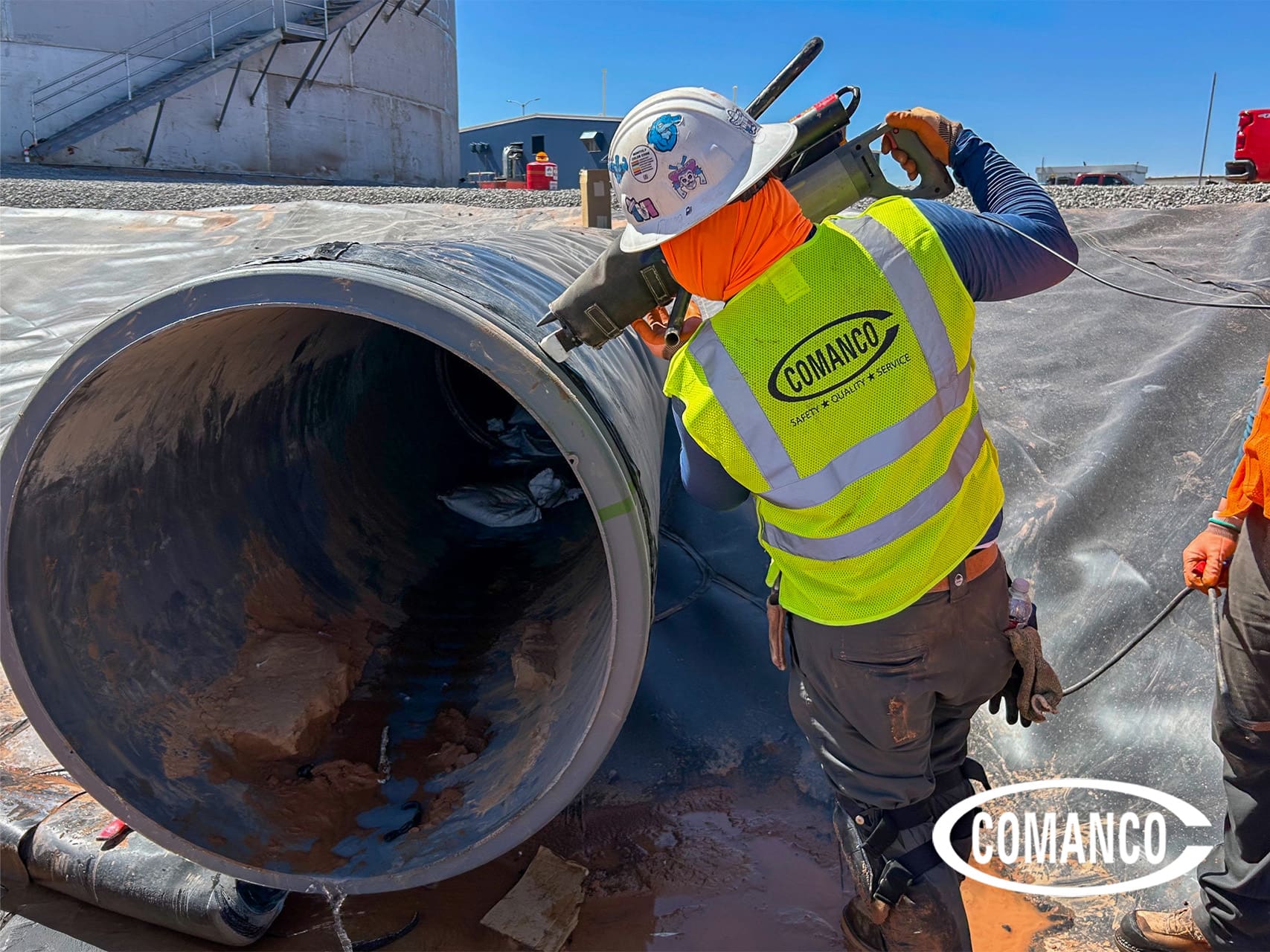
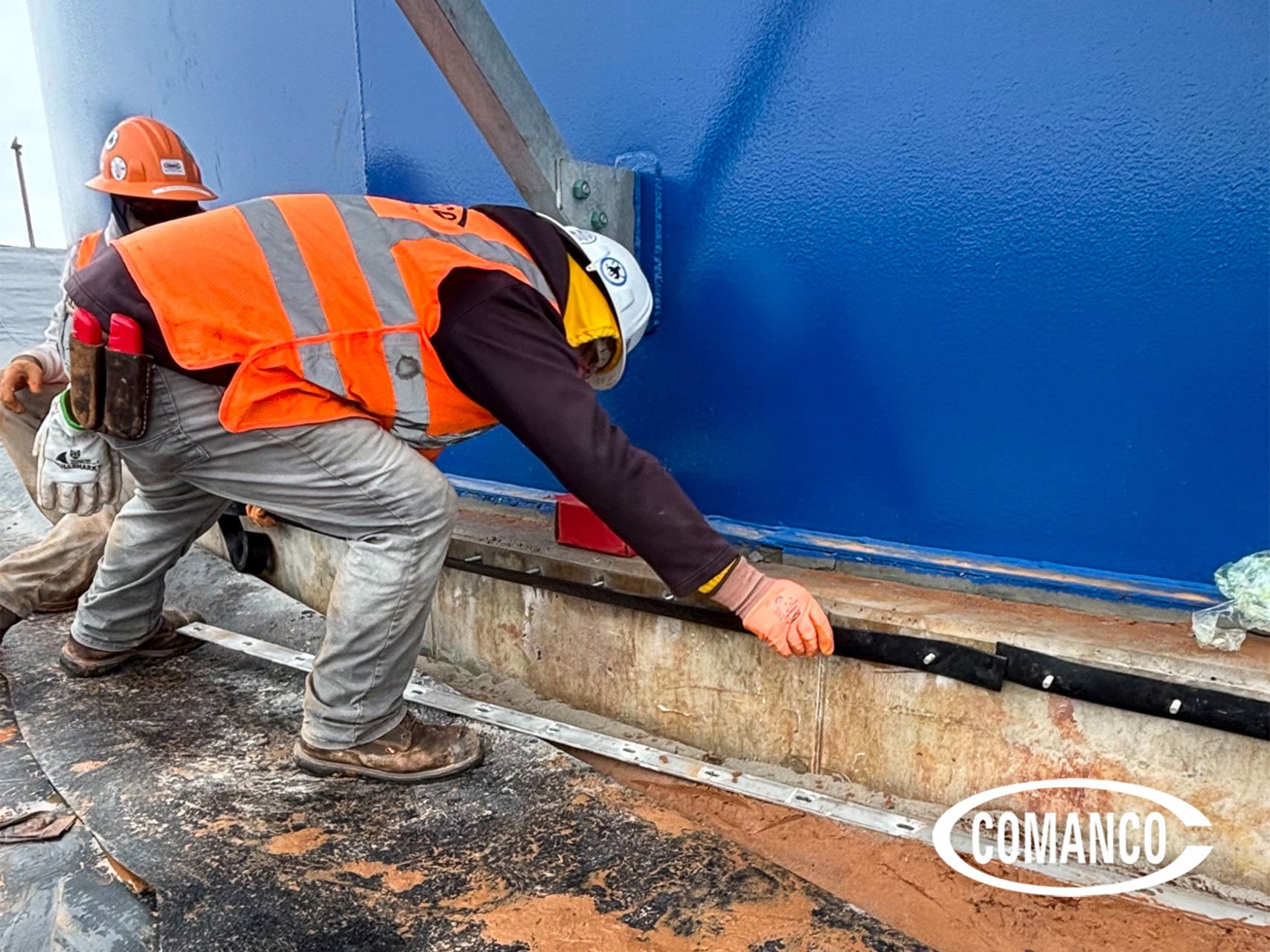
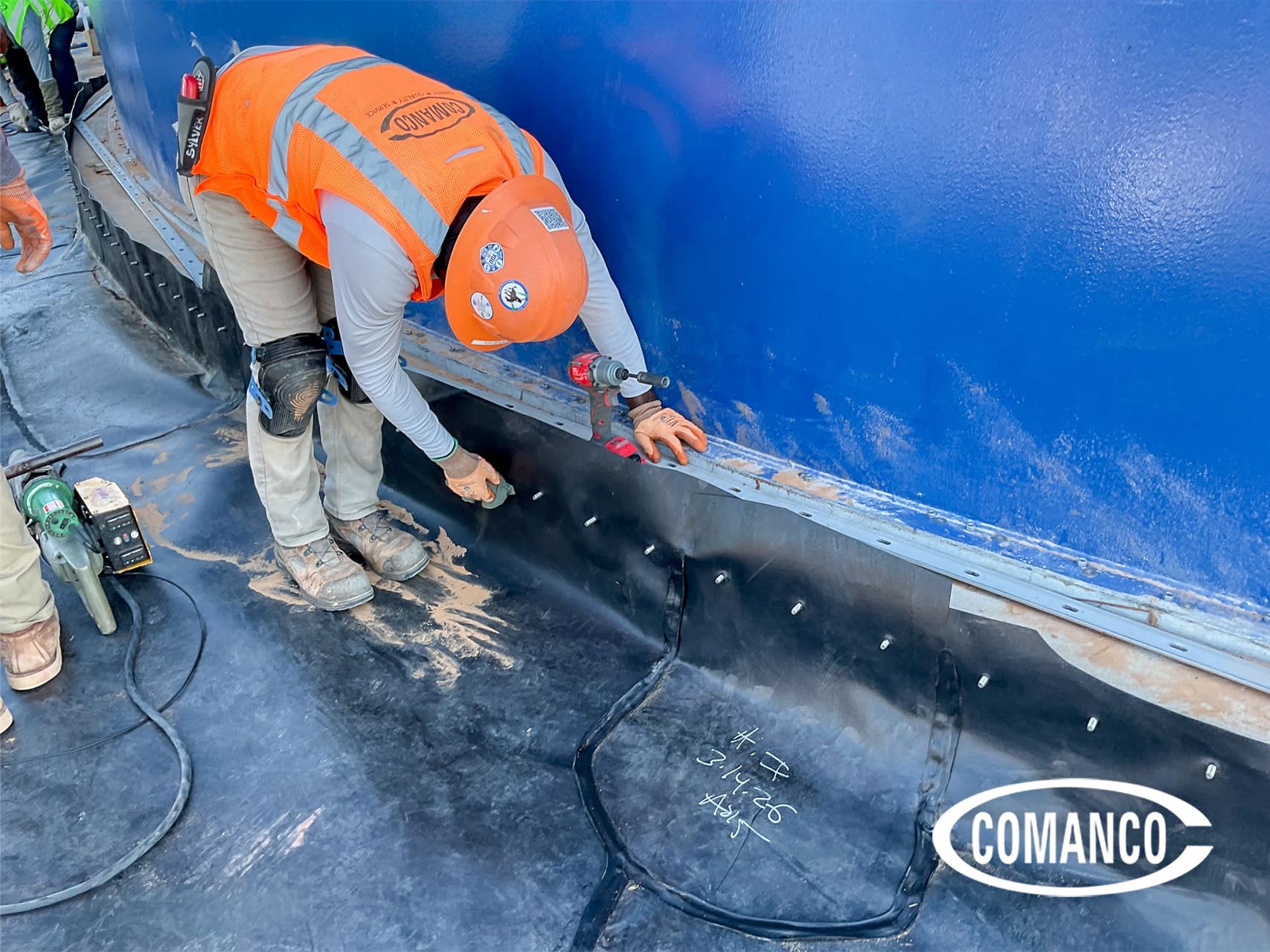
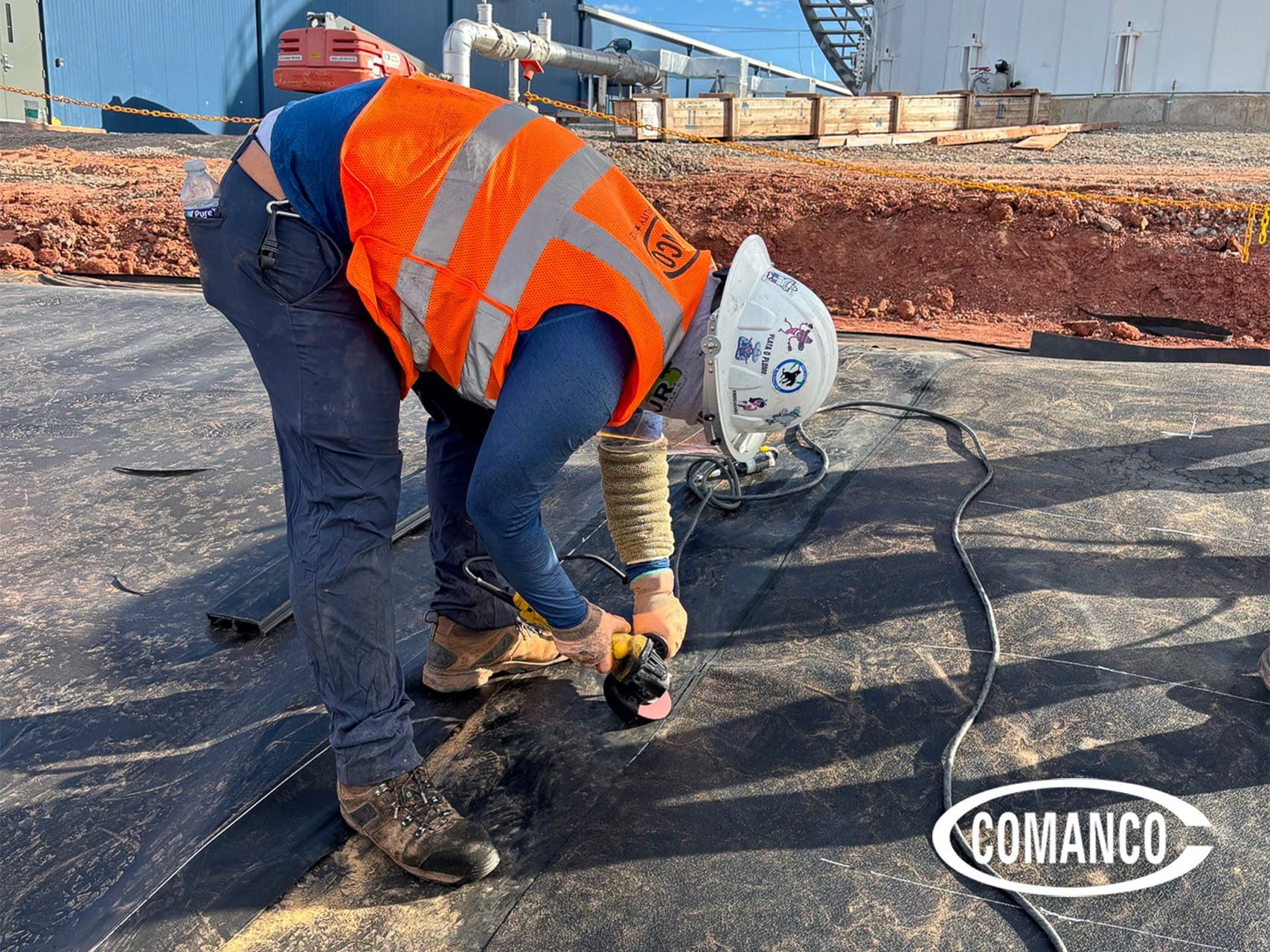
Thermal fusion welding must be performed consistently, with ongoing testing and verification to ensure seam integrity across the entire system. Pipe boots must also be installed with precision to properly seal penetrations of varying sizes, which are often some of the most vulnerable points in containment systems.
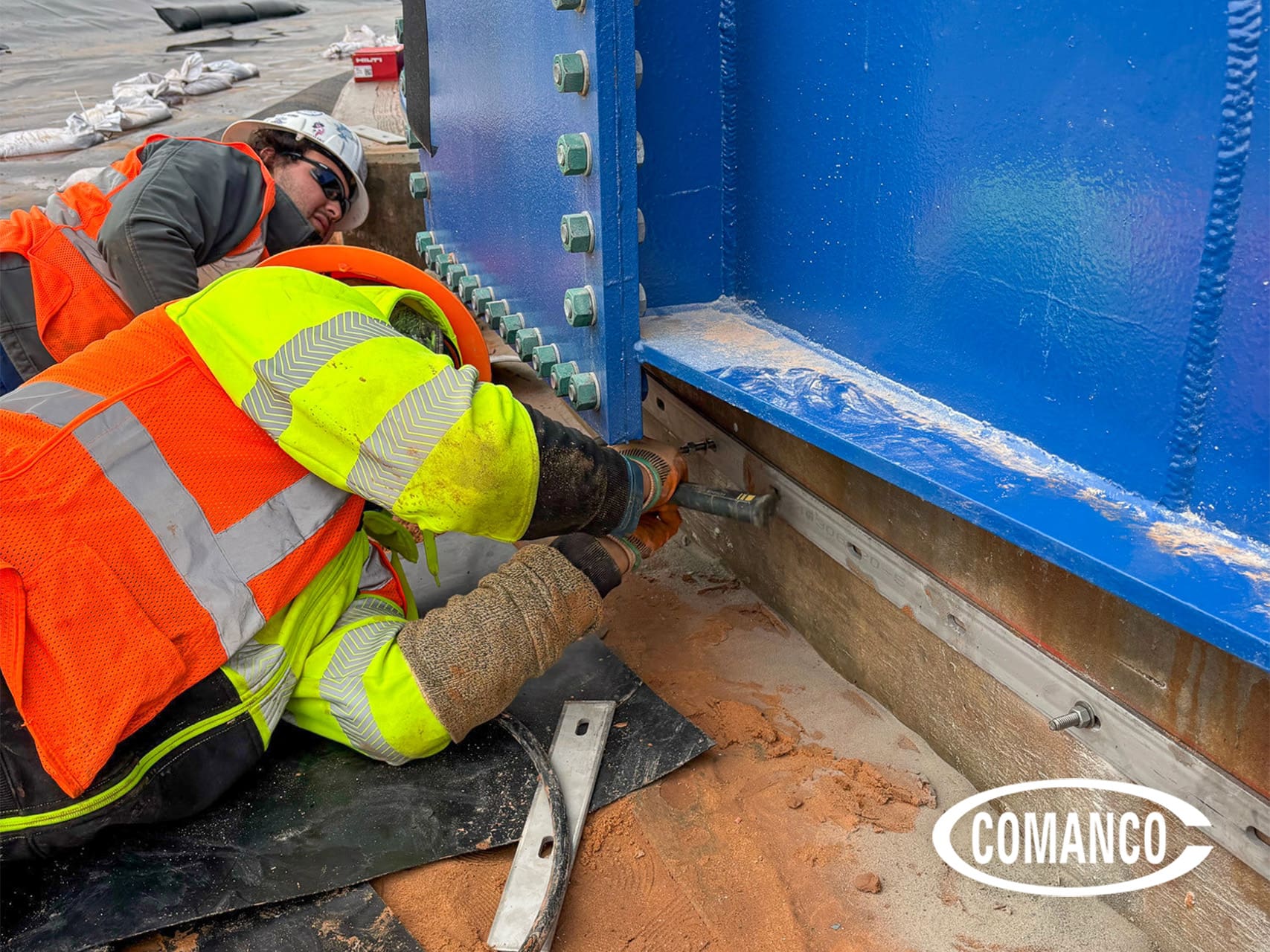
Anchoring systems play a critical role and must be designed and installed to withstand both environmental conditions and operational loads. Throughout the process, continuous coordination with other trades is necessary to maintain safe working conditions and ensure that installation activities remain efficient and properly sequenced.
Quality assurance and quality control are integrated into every stage of installation. Seam testing, visual inspections, and detailed documentation are used to verify that the system meets all performance requirements before it is placed into service.
Execution Backed by Experience
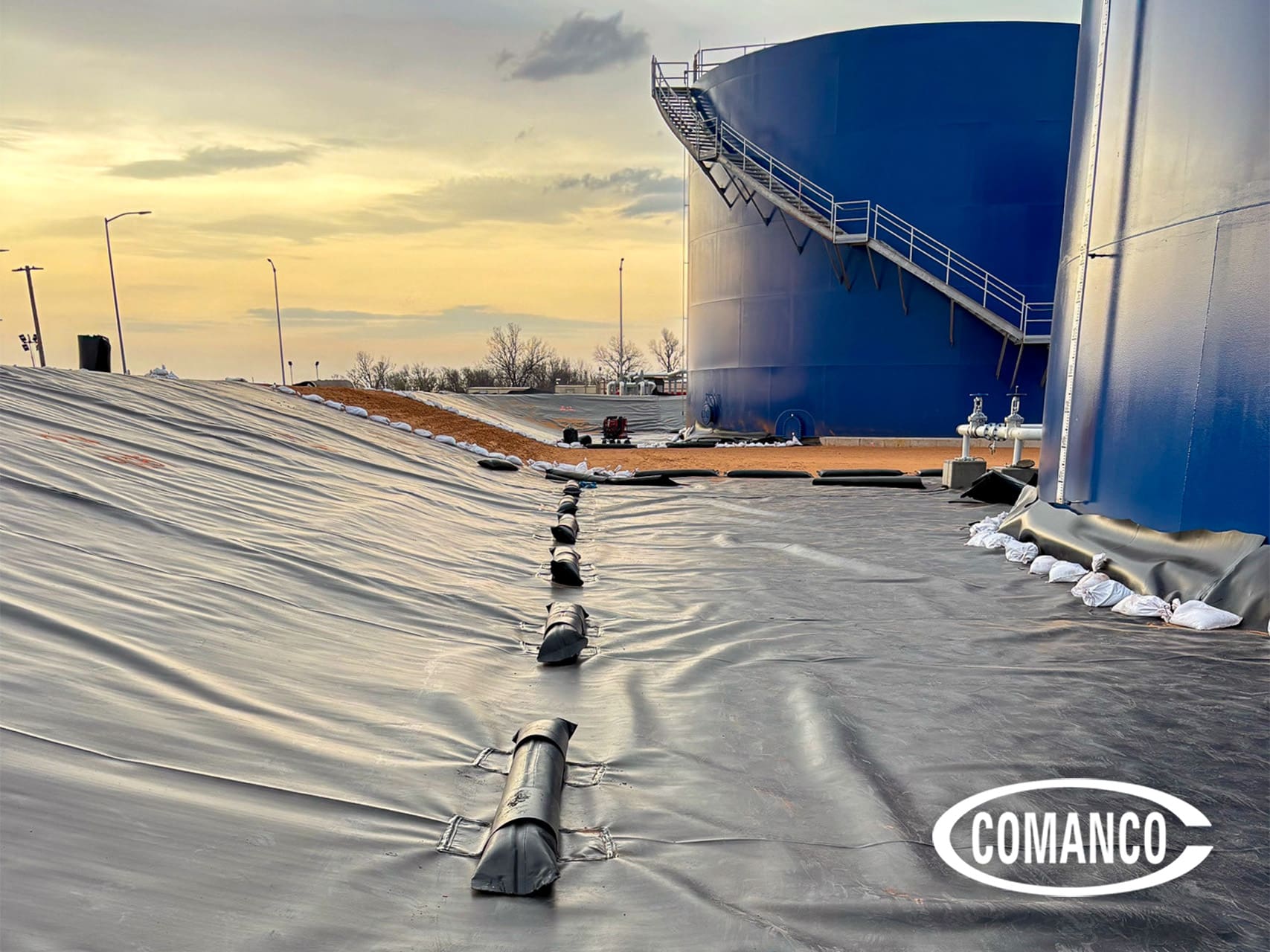
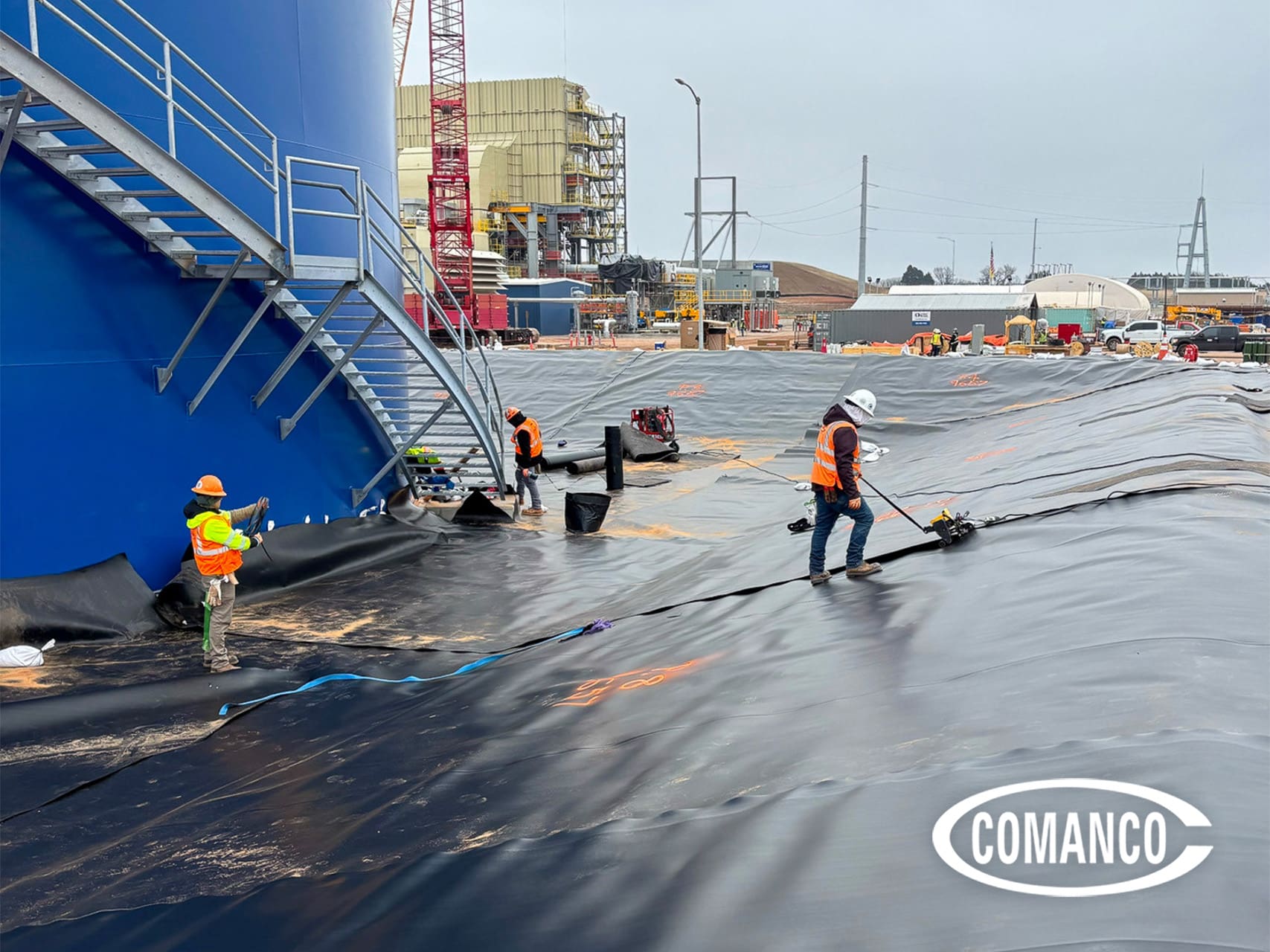
COMANCO recently completed a large-scale fuel tank containment and cooling pond liner system at a power plant in Oklahoma. The project involved installing more than 44,000 SF of 40 mil HDPE liner for fuel containment and over 67,000 SF of 60 mil HDPE liner for a cooling pond. The system also included more than 900 LF of batten bar for secure anchoring to concrete.
Using Solmax single-sided textured HDPE liner, the team focused on durability, chemical resistance, and long-term performance. The project required detailed installation around multiple pipe penetrations ranging from 2 inches to 48 inches, each requiring precise sealing to maintain system integrity.
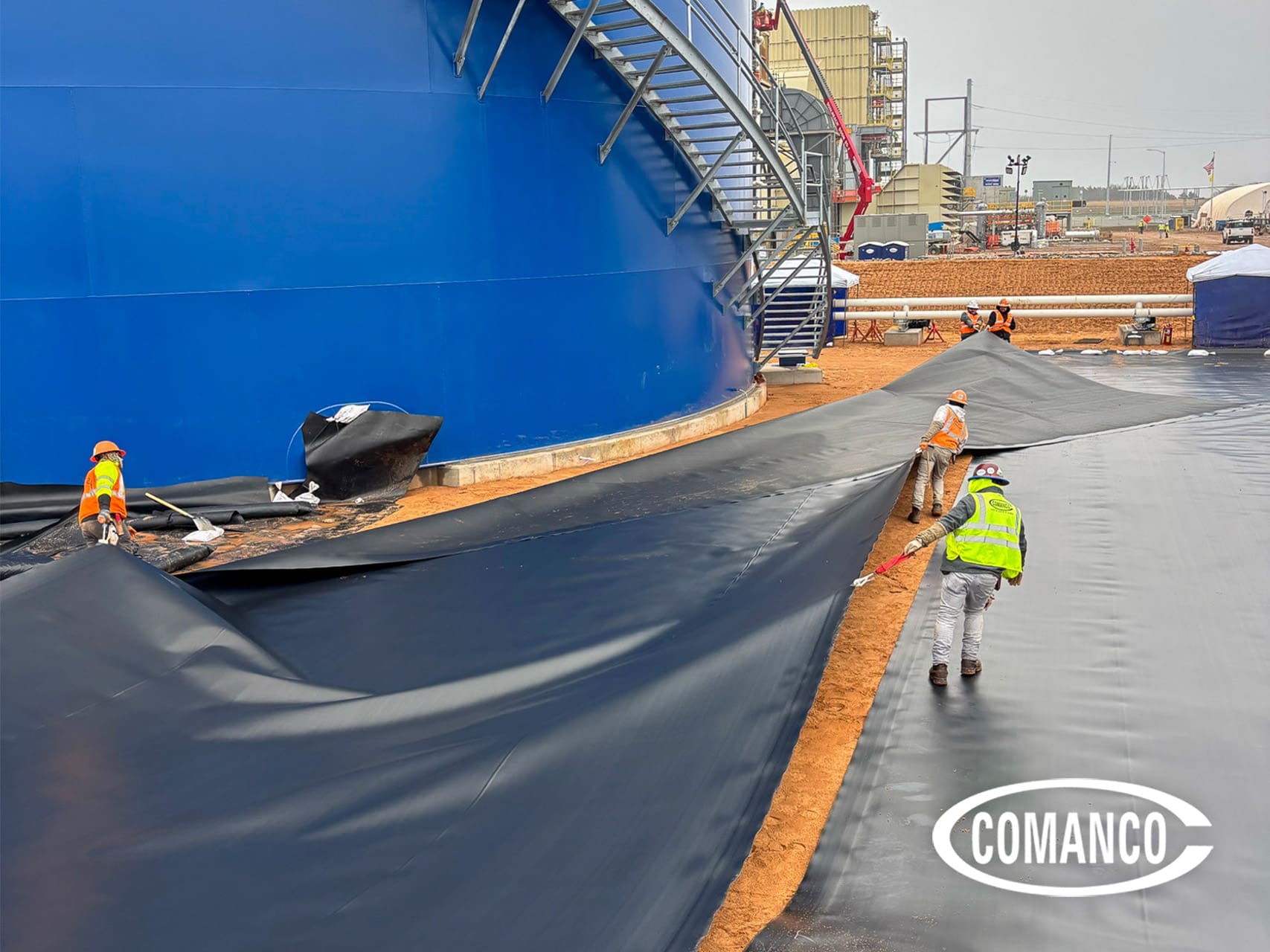
Led by Foreman Martin Calderon Jr., the crew worked in cool and windy conditions while maintaining a strong focus on safety and quality. The site presented additional challenges due to simultaneous construction activities involving multiple contractors. Coordination was essential to ensure safe access, proper sequencing, and consistent installation practices.
Despite these challenges, the crew maintained strict adherence to QA/QC procedures. Seam welding and testing were performed consistently, and anchoring systems were installed to meet design requirements. The project was completed with a strong safety record with no incidents, reflecting a disciplined approach to both execution and risk management.
Designed for Long-Term Environmental Protection
This containment system was designed to manage millions of gallons of fuel in an active operational setting. Its primary purpose is to protect the surrounding soil and groundwater from potential contamination while supporting the facility’s long-term operations.
When containment systems are installed correctly, they reduce environmental risk, limit maintenance requirements, and help facilities remain in compliance with regulatory standards. The value of proper installation becomes evident over time, as well-built systems continue to perform under demanding conditions.
COMANCO approaches each project with a focus on doing the work right the first time. By combining field experience, quality control, and coordinated execution, the result is a containment system built to perform reliably for decades.
SAFETY ★ QUALITY ★ SERVICE
COMANCO is an environmental, commercial, and civil construction company specializing in constructing containment facilities.
Properly installed containment systems play a critical role in protecting soil and groundwater in high-risk industrial environments. Projects like this demonstrate the importance of experienced crews, strong coordination, and strict quality control throughout construction. When installation is done correctly, facilities benefit from reduced risk, improved compliance, and long-term system performance.
Contact COMANCO to learn how our team can support your next containment project with proven field experience and reliable execution.
📍 4301 Sterling Commerce Dr, Plant City, FL 33566
📞 (813) 988-8829
🌐 www.comanco.com